
Learn How to Paint Your Home’s Interior Like a Pro
Painting the inside of your home can seem simple, but it’s easy to make mistakes that lead to frustration and extra costs. Many homeowners rush into it without enough preparation or knowledge, causing uneven surfaces or mismatched colors. In this guide, we will explore common pitfalls in this process and provide solutions to help you achieve professional results.
Poor Surface Preparation
One frequent mistake is not preparing the surface well before painting. It’s essential to clean the walls thoroughly, removing dust and grease. Failing to do so can result in paint peeling off soon after application. Another crucial step is patching up holes or cracks. Sanding these areas ensures a smooth finish and helps the paint adhere better.
Choosing the Wrong Paint Type
Selecting inappropriate paint types for different rooms is another issue many encounter with interior painting. For example, kitchens and bathrooms require mold-resistant paints due to high humidity levels. Using regular paint in these areas can lead to mildew growth. Always opt for moisture-resistant options where necessary to prolong the lifespan of your paint job.
Ignoring Primer’s Importance
Many people skip using primer because they think it’s unnecessary. However, primer creates a solid base, ensuring even color distribution and coverage. It also helps hide stains and previous paint colors. For drastic color changes, primers are indispensable in making sure new layers stand out beautifully.
Overloading the Brush or Roller
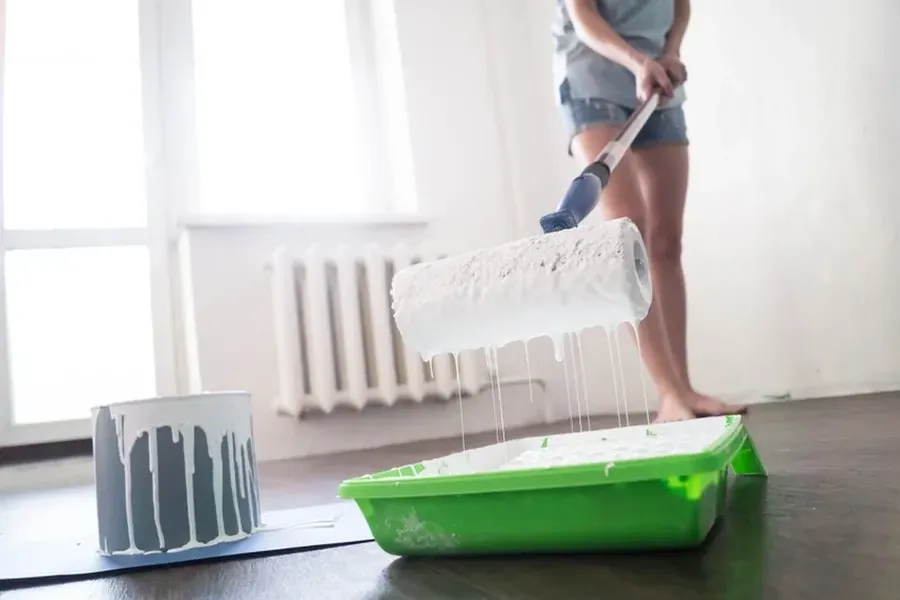
A common beginner error involves applying too much paint to brushes or rollers. This causes drips, streaks, and uneven coverage. Instead, dip only one-third of the tool into the paint. Remove excess by gently tapping it against the side of the container. This technique promotes smoother strokes and fewer touch-ups later on.
Not Testing Colors First
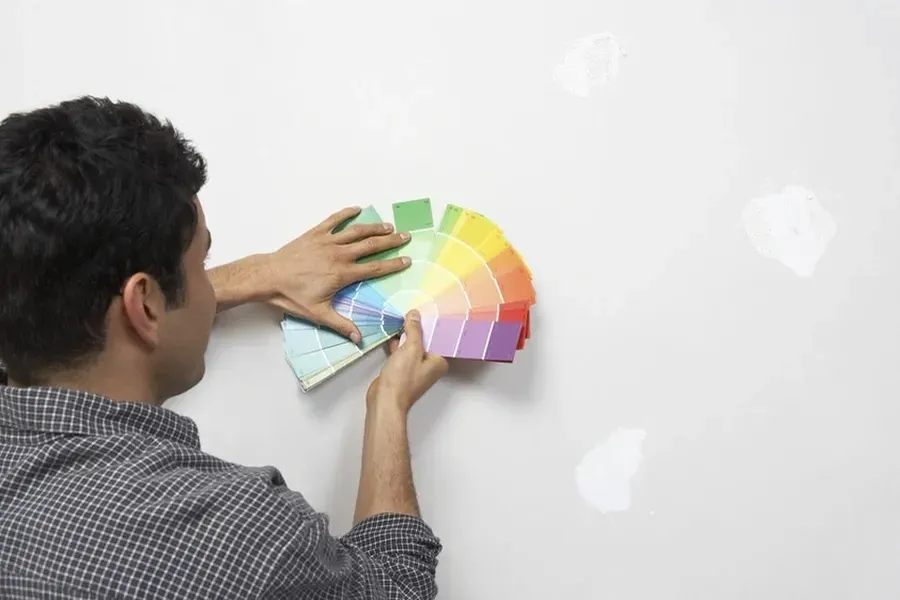
Skipping the step of testing paint colors can lead to disappointment once the project is finished. Lighting conditions greatly impact how a color appears in a room. To avoid costly re-dos, test small swatches on different walls within the space. Observe them at various times of day to confirm satisfaction with your choice.
Ineffective Use of Tape
Tape is a helpful tool for creating sharp lines between wall sections and trim. However, improper application can cause the paint to bleed underneath. Ensure edges are firmly pressed down when placing tape. After painting, remove it while the paint is still wet to maintain crisp edges.
Lack of Adequate Ventilation
Good ventilation during the painting process is crucial for safety and effectiveness. Paint fumes contain volatile organic compounds (VOCs) that can be harmful if inhaled excessively. Open windows and doors, and use fans to circulate air throughout your workspace. This practice minimizes odor build-up and speeds up drying time.
Conclusion: Professional Results With Careful Techniques
By avoiding these common mistakes, you can ensure better results and a more pleasant painting experience. Properly preparing surfaces, choosing correct materials, using techniques effectively, and maintaining ventilation all contribute to a successful project. If you need further assistance or have questions, don’t hesitate to reach out for expert advice from KNGS Texas Painting. Located in Sherman, TX, we offer comprehensive services tailored to your needs. Call us at (903) 820-6619 today!